
Last updated:
Understanding Vaginismus: Causes, Treatments, and Personal Stories
A comprehensive, evidence-based guide to vaginismus — what it is, what causes it, how it is diagnosed and treated, and what recovery looks like. Includes personal stories, expert guidance, and frequently asked questions.

Vaginismus is a condition surrounded by silence. Many women live with it for years — sometimes decades — before receiving a diagnosis. Although the research base is still limited in places, current clinical reviews suggest that many people improve with appropriate multidisciplinary care. This comprehensive guide covers everything you need to know: what vaginismus is, why it happens, how it is diagnosed, what treatment looks like, and what real recovery journeys can teach us.
Medical disclaimer: This article is for educational purposes only. Always consult a qualified healthcare professional before beginning any treatment.
What Is Vaginismus?
Vaginismus is characterised by involuntary contractions of the pelvic floor muscles surrounding the vaginal opening. These spasms occur without conscious control — regardless of how much a person desires penetration — and can cause significant pain or make penetration feel impossible during intercourse, tampon insertion, or gynaecological examinations [1].
The condition involves both physical and psychological components. It is classified into two broad types:
- Primary vaginismus — present from the first attempt at vaginal penetration, whether with a tampon, during a medical examination, or during intercourse.
- Secondary vaginismus — develops later in life, often after a period of pain-free penetration. Triggers may include childbirth, surgery, infection, hormonal changes, or psychological trauma.
Severity ranges widely, from mild discomfort during penetration to a complete inability to tolerate any vaginal insertion. Importantly, vaginismus is not a reflection of desire or willingness — it is an involuntary muscular response.
How Common Is Vaginismus?
Population prevalence remains uncertain. One literature review noted that the widely cited 5-17% figure comes from clinical settings, not from population-based estimates, so it should not be read as a lifetime prevalence for all women [1].
In some communities, pain during intercourse is normalised or considered an expected part of early sexual experience, meaning many women never seek help.
What Causes Vaginismus?
Vaginismus rarely has a single cause. Clinical reviews describe it as a multifactorial condition in which physical and psychological factors can create and reinforce a cycle of muscle tension, pain, and avoidance [4].
Physical Causes
- Pelvic floor hypertonicity — chronically tight or overactive pelvic floor muscles that cannot fully relax. Learn more about the role of the pelvic floor in our guide to pelvic floor exercises.
- Vaginal or vulvar pain conditions — such as vestibulodynia, vulvodynia, or lichen sclerosus, which create a conditioned guarding response.
- Hormonal changes — declining oestrogen levels during menopause or postpartum can cause vaginal dryness and tissue sensitivity, contributing to muscle guarding.
- Medical or surgical history — difficult childbirth, episiotomy, pelvic surgery, or repeated painful examinations can trigger secondary vaginismus.
Psychological Causes
- Anxiety and fear of pain — anticipation of pain creates a self-reinforcing cycle: fear triggers muscle tension, tension causes pain, and pain confirms the fear.
- Negative sexual experiences or trauma — past abuse, assault, or coercive experiences can create deeply conditioned protective responses in the pelvic floor.
- Cultural, religious, or social factors — shame, guilt, or restrictive beliefs about sex and the body can contribute to involuntary muscle guarding.
- General stress and emotional overwhelm — chronic stress, anxiety disorders, and burnout frequently manifest physically in the pelvic floor.
In practice, these factors often overlap and reinforce one another rather than fitting neatly into separate categories.
What Are the Early Signs and Symptoms?
Recognising vaginismus early can make a significant difference to treatment outcomes. Common signs include:
- Difficulty or inability to insert tampons — often one of the first indicators, particularly in adolescence.
- Pain during attempted intercourse — described as burning, stinging, tightness, or a sensation of “hitting a wall.”
- An involuntary tensing or clamping sensation at the vaginal opening, sometimes before any physical contact occurs.
- Avoidance of intimacy or medical examinations — due to anticipated pain, anxiety, or past negative experiences.
- Emotional distress — feelings of frustration, shame, inadequacy, or isolation related to the condition.
If any of these feel familiar, you are not alone — and help is available. Our article on when to see a doctor can guide you through the process of seeking professional support.
How Is Vaginismus Diagnosed?
Receiving a vaginismus diagnosis typically involves several steps. Knowing what to expect can help reduce anxiety about the process.
Step 1: Medical Evaluation
A gynaecological examination is usually the first step. Many practitioners experienced with vaginismus will use smaller speculums, offer extra time, and modify their approach to minimise discomfort. You have every right to ask for accommodations or to pause the examination at any time.
Step 2: Personal and Sexual History
Your doctor will ask about your sexual experiences, emotional wellbeing, relationship history, and any past trauma. These conversations happen in a confidential, non-judgemental setting. Honest answers help your clinician understand the full picture.
Step 3: Pelvic Floor Assessment
A specialist pelvic floor physiotherapist can assess muscle tone, resting tension, range of motion, and specific trigger points contributing to the spasms. This assessment is gentle and carried out at your pace.
Step 4: Multidisciplinary Referrals
Vaginismus often benefits from a team approach. Depending on your presentation, you may be referred to a sex therapist, psychologist, or pain management specialist alongside your primary care provider. Recent clinical guidance supports multidisciplinary, multimodal care for many patients [4].
What Are the Most Effective Treatments for Vaginismus?
The good news is that treatment can help. Most contemporary care plans combine physical, behavioural, and psychological approaches, although high-quality comparative evidence remains limited and published outcomes vary across studies [3][4].
Pelvic Floor Physiotherapy
A trained pelvic floor physiotherapist is often the cornerstone of treatment. Sessions may include:
- Manual therapy — gentle hands-on techniques to release muscle tension, adhesions, and trigger points.
- Biofeedback — using sensors to help you visualise and learn to control pelvic floor muscle activity.
- Home exercise programmes — targeted stretches, progressive relaxation, and reverse Kegel exercises to retrain the muscles.
Vaginal Dilator Therapy
Graduated vaginal dilators are a central component of most vaginismus treatment programmes. They work through a principle of progressive desensitisation — gently teaching the pelvic floor muscles that penetration does not need to be painful.
- Gradual progression — beginning with the smallest comfortable size and slowly advancing as the muscles learn to relax. Our dilator size guide explains how to choose the right starting point.
- Paired with relaxation techniques — deep breathing, mindfulness, and guided body scans help create the conditions for the muscles to release.
- Consistency matters — regular, short sessions (10–20 minutes) are more effective than infrequent longer ones. See our dilator therapy timeline for realistic expectations.
If you are new to dilators, our guide to how silicone dilators work covers the fundamentals, including materials, care, and getting started safely.
Cognitive-Behavioural Therapy (CBT)
CBT addresses the thought patterns, beliefs, and conditioned responses that maintain the tension–pain–avoidance cycle:
- Cognitive restructuring — identifying and challenging unhelpful beliefs about pain, sex, and your body.
- Graded exposure — gradual, controlled exposure to sensations and situations that previously triggered anxiety.
- Relaxation training — learning techniques to down-regulate the nervous system before and during intimate situations.
Mindfulness and Body-Based Practices
- Mindfulness meditation — building present-moment awareness and reducing anticipatory anxiety.
- Yoga and somatic movement — gentle practices that build body awareness and a sense of safety.
- Diaphragmatic breathing — slow belly breathing activates the parasympathetic nervous system and helps the pelvic floor relax.
Medical Interventions
In some cases, additional interventions may be recommended:
- Topical anaesthetics or muscle relaxants — to ease acute discomfort during early-stage dilator use or physiotherapy.
- Botulinum toxin (Botox) injections — used in some specialist centres for severe or treatment-resistant cases. One review described Botox as part of a broader treatment programme that also included anaesthesia and progressive dilation, but comparative evidence remains limited [2].
- Hormonal treatments — topical oestrogen may be prescribed if vaginal atrophy or dryness is contributing to pain.
How Does Vaginismus Affect Relationships?
Vaginismus affects partners and relationships too. Open, honest communication is one of the most powerful tools in recovery. Our guide to partner communication and intimacy offers practical strategies for navigating these conversations.
- Redefining intimacy — penetrative sex is one small part of physical and emotional closeness. Expanding your definition of intimacy reduces pressure and reconnects you as a couple.
- Couples therapy — a trained therapist can help both partners navigate the emotional complexity without blame.
- Partner education — when a partner understands the involuntary nature of the condition, shame is replaced with empathy and teamwork.
What Does Recovery Actually Look Like?
Recovery from vaginismus is real, but it is rarely linear. Understanding what the journey looks like — including setbacks — can help you stay committed.
Hannah’s Story
Hannah spent most of her twenties avoiding intimacy, convinced something was fundamentally wrong with her body. After discovering an online support community and finally receiving a vaginismus diagnosis at twenty-seven, she began a structured programme combining weekly pelvic floor physiotherapy, at-home dilator sessions three times per week, and fortnightly CBT appointments.
“The diagnosis was a relief — finally having a name for it. I started with the smallest dilator and it took me six weeks before I could move to the next size. There were nights I cried from frustration. But my physiotherapist kept reminding me that progress isn’t always visible day to day. After about five months, I had a moment during a session where I realised I wasn’t bracing anymore. That was the turning point.”
Hannah now maintains her progress with occasional dilator sessions and regular pelvic floor stretches.
Lena’s Late Diagnosis
Lena was thirty-two when she finally received a vaginismus diagnosis, having spent years being told that pain during intercourse was normal or that she simply needed to “relax.” A referral to a specialist pelvic floor physiotherapist revealed significant hypertonicity, and subsequent therapy uncovered an underlying history of generalised anxiety.
“I was angry at first — angry that it took so long, angry that no one had recognised it sooner. But once I started treatment properly — dilators, breathing work, and therapy for the anxiety — things began to shift. It took about eight months. My intimate life now is something I genuinely never thought was possible for me.”
Lena’s experience underscores why awareness matters. If you suspect something is wrong, trust your instincts and seek specialist help.
What Can You Do Today to Start Healing?
Recovery does not begin with perfection — it begins with one step. Here are practical things you can do right now:
- Educate yourself — understanding your condition reduces fear. You are already doing this by reading this guide.
- Speak to a professional — a GP, gynaecologist, or pelvic floor physiotherapist experienced with vaginismus can set you on the right path. Not sure when to seek help? Read our guide on when to see a doctor.
- Practise consistency over intensity — short, regular relaxation and dilator sessions are far more effective than occasional marathon efforts.
- Celebrate every step — advancing one dilator size, completing a session without anxiety, having an honest conversation with your partner — these are genuine milestones.
- Be compassionate with yourself — healing takes time. Setbacks are a normal part of the process and do not erase your progress.
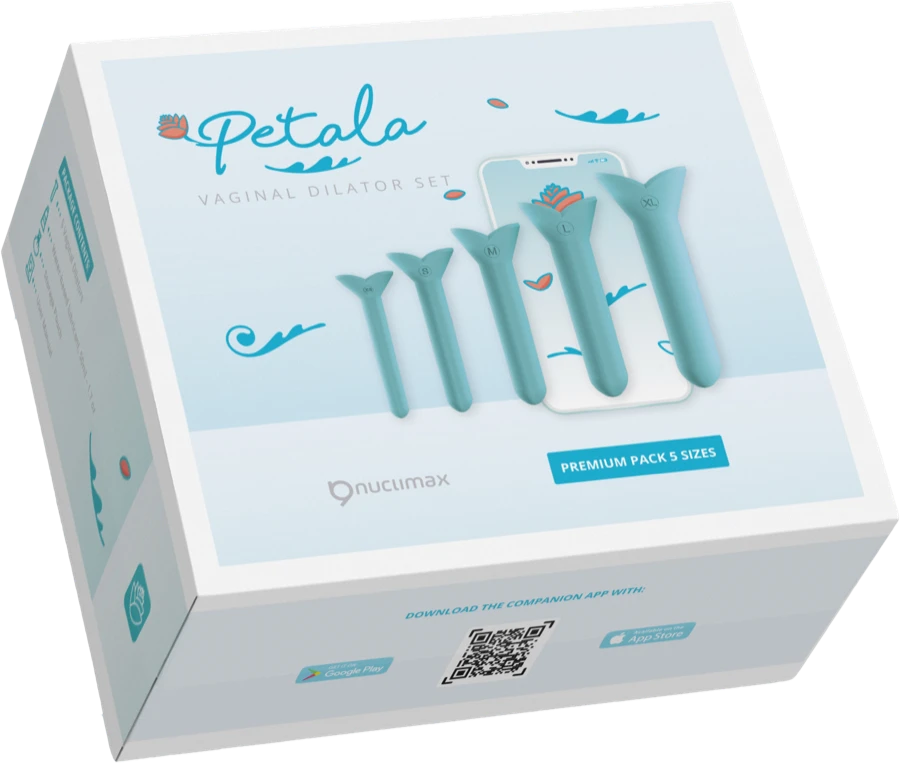
If you are ready to begin dilator therapy at home, the Petala 5-Pack includes five graduated medical-grade silicone dilators and a companion app with guided exercises, session tracking, and personalised reminders — designed to support you through every stage of recovery.
Frequently Asked Questions
Is vaginismus purely psychological? No. While psychological factors frequently play a role, vaginismus involves real, involuntary physical muscle contractions. It is not “all in your head,” and it cannot be resolved through willpower alone. Effective treatment addresses both the physical and psychological dimensions [1].
Can vaginismus go away on its own? Mild cases may improve with life changes such as a new partner, reduced stress, or increased comfort with one’s body. However, the majority of women benefit significantly from targeted professional treatment rather than waiting and hoping. Early intervention tends to lead to faster and more complete recovery.
How long does treatment typically take? Duration varies considerably. Some women notice meaningful improvement within a few weeks of beginning a structured programme; others work through treatment over six to twelve months. Progress depends on the severity of vaginismus, the presence of any co-occurring conditions, the treatment approach used, and consistency of practice.
What is the success rate for vaginismus treatment? Published success rates vary widely because studies use different definitions, patient groups, and treatment protocols. Older controlled trials were small and at moderate or high risk of bias [3], but more recent clinical reviews suggest that multimodal care often leads to positive outcomes [4].
Is surgery ever needed for vaginismus? Surgery for vaginismus is extremely rare and generally not recommended. Conservative treatments — pelvic floor physiotherapy, dilator therapy, and psychological support — are effective for the vast majority of women. Surgical intervention is typically only considered when a specific anatomical cause has been identified.
References
[1] Lahaie, M.-A., Boyer, S. C., Amsel, R., Khalifé, S., & Binik, Y. M. (2010). Vaginismus: A review of the literature on the classification/diagnosis, etiology and treatment. Women’s Health, 6(5), 705–719.
[2] Pacik, P. T. (2011). Vaginismus: Review of current concepts and treatment using Botox injections, bupivacaine injections, and progressive dilation with the patient under anesthesia. Aesthetic Plastic Surgery, 35(6), 1160–1164.
[3] Melnik, T., Hawton, K., & McGuire, H. (2012). Interventions for vaginismus. Cochrane Database of Systematic Reviews, (12), CD001760.
[4] Chalmers, K. J. (2024). Clinical assessment and management of vaginismus. Australian Journal of General Practice, 53(1-2), 37–41.
Ready to start your journey to pain-free intimacy?
Shop Petala 5-Pack