
Last updated:
Navigating Menopause and Intimacy: Evidence-Based Tips for a Fulfilling Sex Life
How does menopause affect intimacy — and what can you do about it? Evidence-based guidance on vaginal dryness, communication, dilator therapy, and reclaiming sexual well-being after menopause.

Menopause is a natural biological transition, typically occurring between the ages of 45 and 55, that marks the end of menstrual cycles. While the hormonal shifts it brings can profoundly affect sexual health and intimacy, these changes are neither permanent nor insurmountable. With accurate information, appropriate tools, and professional support, many women find that this stage of life becomes an opportunity for deeper self-understanding and more fulfilling connection. This guide draws on peer-reviewed research to help you navigate the physical, emotional, and relational dimensions of menopause and intimacy.
Medical disclaimer: This article is for educational purposes only. Always consult a qualified healthcare professional before beginning any treatment.
How Does Menopause Affect Vaginal Health?
Oestrogen is the primary hormone responsible for maintaining vaginal lubrication, elasticity, and tissue thickness. During perimenopause and menopause, oestrogen levels decline significantly — and this has direct consequences for vaginal health.
The medical term for these changes is the genitourinary syndrome of menopause (GSM), which replaces the older term “vulvovaginal atrophy.” According to the 2020 North American Menopause Society position statement, GSM affects approximately 27-84% of postmenopausal women and tends to persist or worsen over time without treatment [1]. Symptoms include:
- Vaginal dryness — reduced natural lubrication makes intercourse uncomfortable or painful
- Thinning of vaginal walls — the tissue becomes more fragile and prone to micro-tears and irritation
- Decreased tissue elasticity — the vaginal canal may feel tighter, contributing to discomfort during penetration
- Changes in vaginal pH — a shift toward a less acidic environment can increase susceptibility to infections
These changes are progressive, meaning they rarely resolve on their own. However, a range of effective treatments exists — from lubricants and moisturisers to localised oestrogen therapy and vaginal dilators. If you are experiencing tightness or discomfort, dilator therapy offers a gentle, evidence-based approach to restoring comfort over time.
What Emotional and Psychological Changes Can Affect Intimacy?
Menopause is not purely physical. Hormonal fluctuations during perimenopause and postmenopause can contribute to mood changes, anxiety, sleep disruption, and shifts in body image — all of which can influence sexual desire and the willingness to engage in intimacy.
Systematic review evidence suggests that sexual function during menopause is shaped not only by hormonal changes, but also by medical, psychological, and social factors [2]. Common emotional experiences include:
- Reduced self-confidence linked to changes in body shape, skin, and energy levels
- Anxiety about pain — if previous experiences of intercourse have been uncomfortable, anticipatory anxiety can create a cycle of avoidance
- Emotional distance — mood fluctuations and fatigue can reduce the emotional bandwidth available for intimacy
- Grief or loss — some women experience a sense of mourning for their pre-menopausal body or identity
Recognising these emotional dimensions is essential. They are not signs of weakness or failure — they are a normal part of a significant biological transition.
Is Vaginal Dryness During Menopause Treatable?
Yes — and there are several well-evidenced treatment options, ranging from over-the-counter products to prescribed therapies.
Lubricants and Vaginal Moisturisers
Water-based lubricants are the first line of support for dryness during intimacy. They are safe, widely available, and can be used as often as needed. For guidance on choosing the right product, see our lubricant guide for dilator therapy.
Vaginal moisturisers are distinct from lubricants. Applied every two to three days regardless of sexual activity, they help maintain baseline hydration of the vaginal tissue. Regular use has been shown to improve symptoms of dryness and discomfort in clinical studies.
Localised Oestrogen Therapy
For women with moderate to severe GSM, localised oestrogen treatments — available as creams, pessaries, or vaginal rings — can restore tissue health with minimal systemic absorption. A Cochrane review confirmed that low-dose vaginal oestrogen effectively improves symptoms of vaginal atrophy with a favourable safety profile [3]. Discuss the options with your GP or menopause specialist.
Vaginal Dilator Therapy
Vaginal dilators are smooth, graduated medical devices used to gently stretch and maintain the flexibility of vaginal tissue. They are particularly helpful for women experiencing tightness or pain during penetration — whether from GSM, vaginismus, or post-surgical changes.
Dilator therapy works by gradually reintroducing gentle pressure and stretch to the vaginal walls, helping to restore elasticity and reduce discomfort. When combined with lubricant and a consistent routine, many women notice meaningful improvement within weeks. If you are new to dilators, our beginner’s guide to silicone dilators explains how they work and how to choose the right size.
Systemic Hormone Replacement Therapy (HRT)
For some women, systemic HRT — which addresses a broader range of menopausal symptoms — may also improve vaginal symptoms. It has been shown to prevent bone loss and fracture, but its overall risks and benefits depend on age, timing of initiation, formulation, and medical history [4]. This is a decision to make in consultation with a menopause specialist.
How Can You Maintain Intimacy With Your Partner During Menopause?
Open communication is often one of the most helpful tools for maintaining intimacy during menopause. Even when physical symptoms are present, clear communication can reduce pressure, improve understanding, and make it easier to adapt together.
Start the Conversation Early
Choose a calm, private moment — not during or immediately after an intimate encounter — to share how you have been feeling. Frame it as an update rather than a complaint. Use “I” statements: “I have been noticing some changes that I would like us to work through together” is far more productive than “You do not understand what I am going through.”
Redefine What Intimacy Means
Penetrative intercourse is one form of intimacy, but it is not the only one. Sensual massage, mutual touch, cuddling, and shared emotional vulnerability can all sustain closeness and connection. Removing the expectation of penetration can reduce performance anxiety for both partners and create space for pleasure without pressure.
Explore Together
Approach this transition as a shared project. Try different types of touch, different times of day, or different environments. Celebrate small improvements together. If communication has become difficult, a couples therapist or sex therapist can help both partners express their needs and find common ground. For more practical strategies, read our guide on partner communication and intimacy.
What Role Does Self-Care Play in Menopausal Sexual Health?
A holistic approach to self-care supports sexual health from multiple angles — hormonal, circulatory, psychological, and muscular.
Pelvic Floor Exercises
The pelvic floor muscles support the bladder, uterus, and vaginal canal. Strengthening them through regular exercises — often called Kegel exercises — can improve blood flow to the vaginal area, enhance sensation, and reduce urinary incontinence. A structured programme of pelvic floor exercises is one of the most effective self-care strategies available.
Nutrition and Hydration
Phytoestrogen-rich foods — such as soy, flaxseeds, and legumes — contain plant compounds that mildly mimic oestrogen and may offer modest symptom relief. Staying well hydrated supports overall tissue health, including vaginal tissue.
Movement and Exercise
Regular cardiovascular and strength training exercise improves circulation, mood, energy, and sleep — all of which can support sexual well-being.
Stress Management
Chronic stress can reduce libido and make intimacy feel less accessible. Mindfulness practices, yoga, deep breathing, and maintaining social connections are all effective strategies for managing stress and reducing pre-intimacy anxiety.
When Should You Seek Professional Help?
While many menopausal changes can be managed with self-care and over-the-counter products, some situations warrant professional input. Consider seeking help if:
- Vaginal dryness or pain during intercourse is not improving with lubricants and moisturisers
- You are experiencing significant anxiety or avoidance around intimacy
- Symptoms are affecting your relationship or emotional well-being
- You want to explore hormone therapy options
- You are unsure whether your symptoms are related to menopause or another condition
A menopause specialist or gynaecologist can assess your symptoms comprehensively and offer tailored treatments. A pelvic floor physiotherapist can design a personalised programme that may include dilator therapy, manual techniques, and targeted exercises. A sex therapist or counsellor can address the psychological and relational dimensions that are often intertwined with the physical symptoms. For more guidance on recognising when professional support is needed, see our article on when to see a doctor.
Moving Forward With Confidence
Menopause presents genuine challenges to sexual health and intimacy — but the evidence is clear that these challenges are treatable. Whether through vaginal moisturisers, localised oestrogen, dilator therapy, pelvic floor rehabilitation, or improved communication with your partner, there are practical, evidence-based steps you can take to reclaim comfort and connection.
The most important step is the first one: acknowledging the changes, seeking accurate information, and taking action. You are not alone in this experience, and you do not need to navigate it without support.
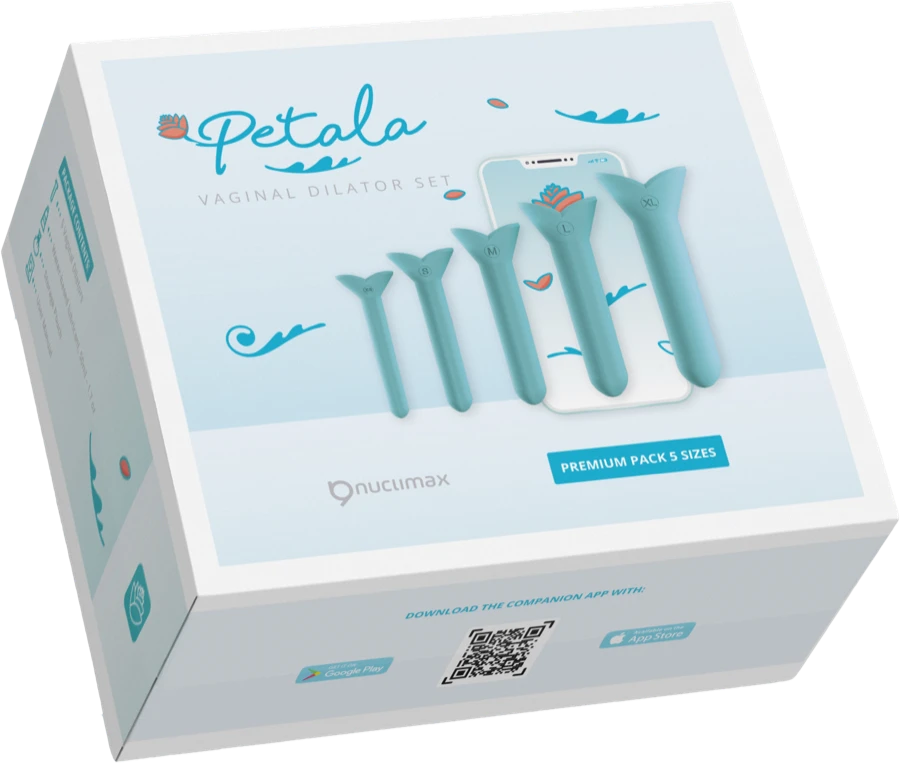
If vaginal dryness, tightness, or discomfort is affecting your intimacy, the Petala 5-Pack offers a gentle, graduated approach to maintaining vaginal health — with five medical-grade silicone sizes and a companion app designed to guide you through every step of your journey.
Frequently Asked Questions
Is it normal for sex to become painful during menopause? Yes. Painful intercourse (dyspareunia) is one of the most common symptoms of the genitourinary syndrome of menopause (GSM), affecting up to 84% of postmenopausal women. It is caused by reduced oestrogen levels leading to vaginal dryness, thinning tissue, and decreased elasticity. The good news is that effective treatments are available, including lubricants, vaginal moisturisers, localised oestrogen therapy, and dilator therapy.
Can vaginal dilators help with menopausal dryness and tightness? Yes. Vaginal dilators are recommended by pelvic health physiotherapists and gynaecologists for women experiencing vaginal tightness or pain during penetration. They work by gradually stretching and desensitising the vaginal tissue, helping to restore elasticity and reduce discomfort. When used consistently alongside a good lubricant, most women notice improvement within four to six weeks.
Will my libido ever return after menopause? For many women, yes — though it may look different from before. Libido is influenced by hormonal levels, psychological well-being, relationship quality, and overall health. Addressing vaginal discomfort, managing stress, maintaining physical fitness, and communicating openly with your partner can all contribute to improved desire. If low libido is significantly affecting your quality of life, discuss it with your GP or a menopause specialist — hormonal and non-hormonal options are available.
Should I use lubricant every time I use a vaginal dilator? Absolutely. Lubricant reduces friction and makes dilator therapy more comfortable and effective. A water-based lubricant is generally recommended, as it is compatible with silicone dilators and easy to clean. Apply generously to both the dilator and the vaginal opening before each session.
How long does it take for vaginal oestrogen to work? Most women begin to notice improvement in vaginal dryness and comfort within two to four weeks of starting localised oestrogen therapy, with full benefits typically achieved after eight to twelve weeks of consistent use. Your prescribing doctor will advise on the appropriate duration and follow-up schedule.
References
[1] The NAMS 2020 GSM Position Statement Editorial Panel. (2020) ‘The 2020 genitourinary syndrome of menopause position statement of The North American Menopause Society,’ Menopause, 27(9), pp. 976–992.
[2] Heidari, M., Ghodusi, M., Rezaei, P., Kabirian Abyaneh, S. and Heidari Sureshjani, E. (2019) ‘Sexual function and factors affecting menopause: a systematic review,’ Journal of Menopausal Medicine, 25(1), pp. 15–27.
[3] Lethaby, A., Ayeleke, R.O. and Roberts, H. (2016) ‘Local oestrogen for vaginal atrophy in postmenopausal women,’ Cochrane Database of Systematic Reviews, (8), Art. No.: CD001500.
[4] The 2022 Hormone Therapy Position Statement of The North American Menopause Society Advisory Panel. (2022) ‘The 2022 hormone therapy position statement of The North American Menopause Society,’ Menopause, 29(7), pp. 767–794.
Ready to start your journey to pain-free intimacy?
Shop Petala 5-Pack