
Last updated:
How to Clean Vaginal Dilators: A Complete Hygiene and Care Guide
Step-by-step guide to cleaning vaginal dilators safely. Covers silicone-specific care, safe cleaning products, drying, storage, and the hygiene mistakes to avoid.

Proper cleaning and storage of your vaginal dilators is just as important as using them correctly. Inadequate hygiene can introduce bacteria, cause irritation, or degrade the material over time — undermining both your health and your therapy progress. This guide covers everything you need to know about keeping your dilators clean, safe, and in excellent condition.
Medical disclaimer: This article is for educational purposes only and does not constitute medical advice. If you experience irritation, infection, or unusual symptoms after dilator use, consult a qualified healthcare professional promptly.
Why Is Proper Dilator Cleaning So Important?
The vaginal environment has a delicate balance of bacteria and pH levels. Introducing a dilator that hasn’t been properly cleaned can disrupt this balance and increase the risk of:
- Bacterial vaginosis — an overgrowth of harmful bacteria
- Yeast infections — caused by introducing or encouraging fungal growth
- Urinary tract infections (UTIs) — particularly if bacteria from the dilator surface reach the urethra
- Contact irritation — from soap residue, dust, or degraded material
The good news: for most non-porous silicone dilators, proper hygiene is straightforward once you know the steps.
How Should You Clean Silicone Dilators Step by Step?
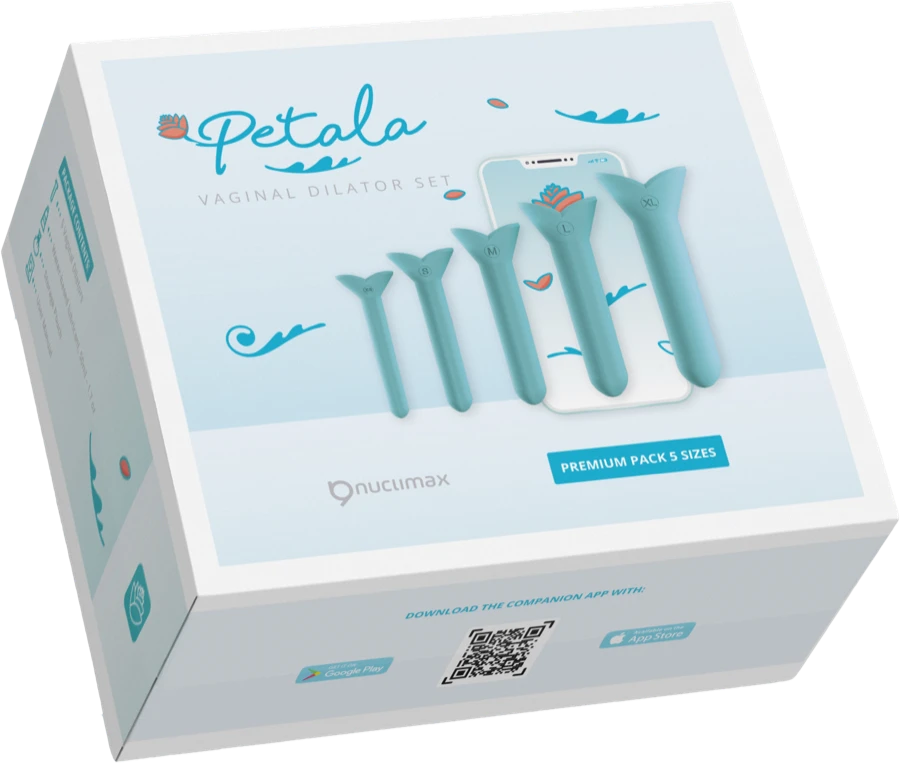
Medical-grade silicone — the material used in the Petala 5-Pack and other high-quality dilator sets — is non-porous, meaning bacteria cannot penetrate its surface. This makes it one of the safest and easiest materials to clean. For a deeper understanding of why silicone is the preferred material, see our Silicone Dilators 101 guide.
Before First Use
Even new dilators should be cleaned before their first use. Manufacturing, packaging, and shipping can introduce dust and residue.
- Wash with warm water and mild, unscented soap — liquid hand soap or a gentle intimate wash works well
- Rinse thoroughly under running water to remove all soap residue
- Pat dry with a clean, lint-free cloth or towel
- Allow to air dry completely before storing
After Every Session
Cleaning immediately after each use prevents residue from drying onto the surface and becoming harder to remove.
- Rinse under warm running water to remove lubricant and any bodily fluids
- Apply a small amount of mild, unscented soap and gently work it over the entire surface — including the base and any textured areas
- Rinse thoroughly — soap residue left on the dilator can cause vaginal irritation during your next session
- Inspect the surface for any nicks, scratches, or discolouration (more on this below)
- Pat dry with a clean, lint-free cloth
- Allow to air dry fully before returning to storage
Extra Care
Routine soap-and-water cleaning after every use is the main requirement [1][2]. If your kit’s manufacturer gives extra sterilisation or deep-cleaning instructions, follow those rather than improvising with harsh cleaning methods.
Which Cleaning Products Are Safe for Silicone Dilators?
Not all cleaning products are appropriate. Some can degrade silicone, leave harmful residue, or disrupt vaginal pH.
Safe to Use
- Warm water and mild, unscented liquid soap — the gold standard for daily cleaning
- Specialist intimate toy cleaners — formulated to be pH-balanced and residue-free
- Manufacturer-approved care instructions — always take priority for your specific dilator set
Products to Avoid
- Antibacterial soaps — often contain triclosan or other chemicals that can degrade silicone and irritate vaginal tissue
- Scented soaps or body washes — fragrances can cause irritation and allergic reactions
- Alcohol-based cleaners — can dry out and degrade silicone over time
- Bleach or hydrogen peroxide — too harsh for intimate-use products; can leave dangerous residue
- Silicone-based lubricants or oily products as a cleaning aid — they can be difficult to remove fully from the dilator surface
For more on which lubricants are safe to use with your dilators during therapy sessions, see our complete lubricant guide for dilators.
How Should You Store Your Dilators?
Proper storage protects your dilators from dust, lint, bacteria, and physical damage between sessions.
Best Practices
- Store each dilator in a clean, breathable pouch or bag
- Keep dilators separate from each other if possible — silicone can sometimes bond to silicone during prolonged direct contact, particularly in warm environments
- Store in a cool, dry place — avoid direct sunlight, which can degrade silicone over time
- Never store in an airtight plastic bag while still damp — trapped moisture creates an environment for mould and bacterial growth
What to Avoid
- Storing dilators loose in a drawer alongside other items (jewellery, coins, keys) that could scratch the surface
- Leaving dilators on open surfaces where they collect dust and lint
- Storing near heat sources — radiators, heated towel rails, or windowsills in direct sunlight
What Are the Most Common Hygiene Mistakes?
Even well-intentioned users sometimes develop habits that compromise hygiene. Here are the mistakes pelvic floor therapists and gynaecologists flag most often.
Rinsing Without Soap
Water alone does not remove lubricant residue as effectively as soap and water together.
The fix: Always use soap — even if it’s just a quick wash. Make it part of your post-session routine.
Not Rinsing Soap Off Completely
Conversely, leaving soap residue on the dilator is a common cause of vaginal irritation. Even “gentle” soaps can disrupt vaginal pH if residue is introduced internally.
The fix: Rinse under running water for at least 15–20 seconds after soaping, ensuring the entire surface is free of suds.
Sharing Dilators Without Sterilisation
If dilators are shared between partners or individuals — which is not generally recommended — they need cleaning and any manufacturer-directed sterilisation between users. Even non-porous materials can carry pathogens on their surface.
The fix: Ideally, each person should have their own dedicated set. The Petala 5-Pack is affordably priced as a complete personal kit.
Using Damaged Dilators
Any nicks, cuts, rough patches, or sticky spots on the silicone surface can harbour bacteria and cause micro-tears in vaginal tissue.
The fix: Inspect your dilators regularly. If you notice any surface damage, replace the affected dilator.
Cleaning Only After Use, Not Before
If your dilators have been in storage for several days or longer, dust, lint, or environmental contaminants may have settled on the surface — even inside a pouch.
The fix: Adopt a “clean before and after” routine, particularly if you don’t use your dilators daily.
How Long Do Silicone Dilators Last?
With proper care, medical-grade silicone dilators can last for several years. Silicone is exceptionally durable and resistant to degradation. However, you should replace your dilators if you notice:
- Permanent discolouration that doesn’t resolve with deep cleaning
- Sticky or tacky surface texture — a sign of silicone degradation
- Visible cracks, nicks, or rough patches
- Persistent odour that doesn’t wash out
Under normal use with proper cleaning, you should not need to replace your dilators frequently. Think of them as a long-term investment in your health. If you’re just starting out and want guidance on choosing the right size to begin with, see our vaginal dilator size guide.
Frequently Asked Questions
Can I use baby wipes to clean my dilators? It’s best to avoid baby wipes as your primary cleaning method. Most contain preservatives, fragrances, or moisturising agents that can leave residue on the silicone and irritate vaginal tissue. They’re acceptable in a pinch (for example, while travelling), but should be followed up with a proper soap-and-water wash as soon as possible.
Is it safe to boil silicone dilators? Only if the manufacturer specifically says boiling is safe for your product. Not every dilator set gives the same care instructions, so check the instructions that came with your kit before using heat sterilisation.
How often should I deep clean my dilators? Daily soap-and-water cleaning after every session is the essential step. Beyond that, follow the care instructions that came with your specific kit.
Can I use UV sterilisers for my dilators? UV sterilisers marketed for intimate products can supplement your cleaning routine but should not replace soap-and-water washing. UV light can kill surface bacteria but does not remove physical residue such as lubricant or bodily fluids. Use UV sterilisation as an additional step, not a substitute.
What should I do if my dilator develops an odour? First, wash it thoroughly with mild soap and water and let it dry completely. If the odour persists after cleaning, check your manufacturer’s care instructions. A lingering odour can mean the material has started to degrade or that residue is still trapped on the surface, in which case replacement may be the safest option.
Conclusion
Keeping your dilators clean is one of the simplest and most impactful things you can do for your health during dilator therapy. The routine is quick — a few minutes before and after each session — and the benefits are significant: reduced infection risk, a more comfortable experience, and dilators that last for years.
If you’re looking for a dilator set made from medical-grade silicone that’s easy to clean and built to last, the Petala 5-Pack is designed with hygiene and safety at its core, with five graduated sizes and a companion app to support your therapy journey.
References
[1] Memorial Sloan Kettering Cancer Center. (2025). “How To Use a Vaginal Dilator.”
[2] Memorial Sloan Kettering Cancer Center. (2024). “Instructions for Using a Vaginal Dilator During Radiation Simulation and Treatment.”
Ready to start your journey to pain-free intimacy?
Shop Petala 5-Pack